
Safety First: What Every Home, Farm, and Livestock Operation Should Know about Regulators
When it comes to propane, safety is always the first priority. Whether you heat your home, dry grain, warm livestock barns, or power shop equipment, your propane system must be working exactly as designed. One of the most important and most often overlooked parts of that system is your 1st and 2nd stage propane regulators.
These small components play a big role in keeping your system safe. They ensure the correct pressure is delivered from your tank to your appliances, and when they age, fail, or fall out of compliance, the risk increases significantly. That’s why the State of Iowa, the NFPA, and industry best practices require regulators to be replaced on a scheduled cycle and inspected regularly.
At Five Star Cooperative, your safety and your family’s, farm’s, and livestock’s safety drives every decision we make within our Energy division. Part of that commitment is educating our customers on what to watch for and when to call us for help.
Why Compliance Matters
Propane regulators are designed to manage pressure, so your appliances operate safely. Over time, regulators weaken, internal parts wear, and their ability to control pressure diminishes. A regulator that is out of date or malfunctioning may lead to:
-
Overpressure situations
-
Appliance failure or inefficiency
-
Leaks or unsafe operating conditions
-
Unexpected system shutdowns
-
Serious fire or explosion hazards
Most regulators are designed with an expected service life of 25 years, depending on type and placement. Once they reach that age, they must be replaced—no exceptions. This is not just a recommendation; it’s part of national propane safety standards.
Warning Signs Your Equipment Needs Attention
If you notice any of the following, it’s time to call the Five Star Energy team right away:
-
Strong propane odor near the tank or building
-
Irregular flame colors or appliance performance
-
Frost buildup on the regulator
-
Hissing noises
-
Corrosion, rust, or physical damage
-
A regulator older than its recommended service life
Even if everything seems to be working fine, components still need periodic inspection to stay compliant.

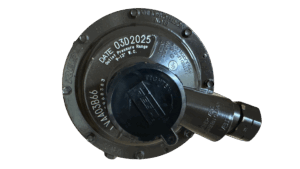
*Please note the manufactured date stamped on both regulators on your tank are within compliance. Typically, anything older than 25 years is required to be updated.*
Five Star Cooperative’s Commitment to Propane Safety
Your cooperative takes propane safety seriously, from delivery to installation to annual system checks. Our Energy team is trained to spot potential issues before they become dangerous and will never cut corners when it comes to your protection.
When our team is on your property, they are evaluating the whole system, including:
-
1st and 2nd stage regulator age and condition
-
Proper vent orientation
-
System pressure and function
-
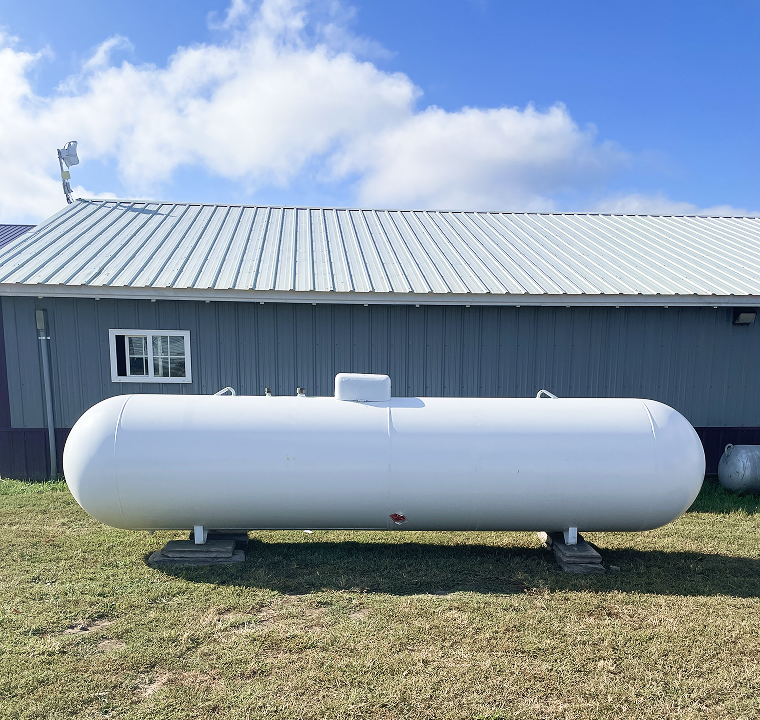
Tank placement and stability
-
Code and compliance requirements
If we find a regulator that is out of date or close to expiration, we will recommend replacement immediately and will not be able to fill your tank until corrected. This is about responsibility, both yours and ours.
Your trust matters to us, and that means always doing what’s safest, not what’s fastest.
What You Can Expect with a Five Star Replacement
When you schedule a regulator check or replacement with Five Star, our certified technicians will:
-
Inspect both 1st and 2nd stage components
-
Check system pressure and test for leaks
-
Verify all safety codes and compliance requirements
-
Install new, industry-approved regulators if needed
-
Document installation dates for your safety records
Most replacements are fast, affordable, and prevent costly downtime or hazardous situations down the road.
Don’t Wait: Safety Starts Now
If your propane regulators haven’t been inspected recently or if you’re unsure of their age now is the time to take action. A quick inspection can protect your home, your operation, and everyone on your property.
Contact the Five Star Energy Team to schedule a system check or regulator replacement.
Ask us during your next propane delivery for a quick visual assessment.
Visit our website for additional propane safety resources.