Choosing the right corn hybrid is an important part of planning for the growing season. From maturity and yield potential to crop rotation, several factors can influence how a hybrid fits your operation.
Five Star Cooperative’s 2026 corn plots provide a closer look at how different hybrids performed under local growing conditions in Northern Iowa. This year, corn plots were evaluated at New Hampton, Thompson and Lawler, Iowa, offering growers an opportunity to compare performance across different locations and growing conditions.
Local plot data can be a helpful starting point when evaluating seed options for 2027 growing season. While yield is an important consideration, looking at the results alongside maturity, harvest moisture and field conditions can help growers make an informed decision for their acres.
New Hampton, IA – CORN
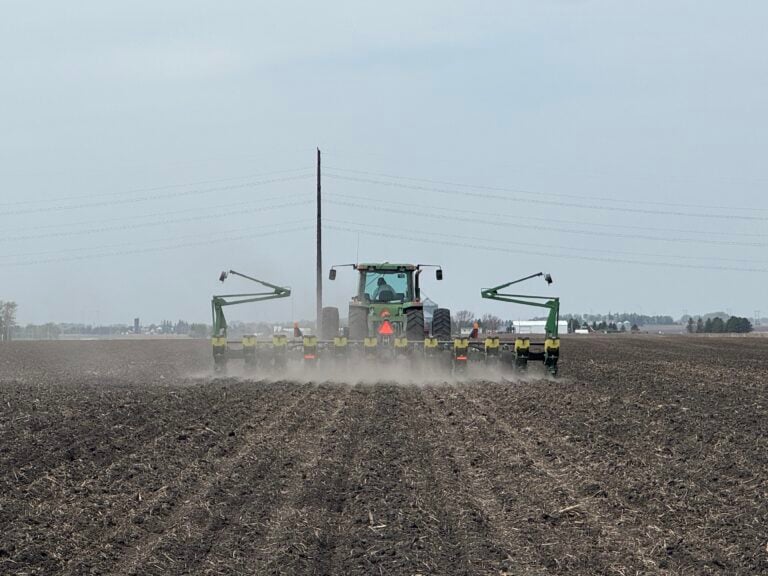
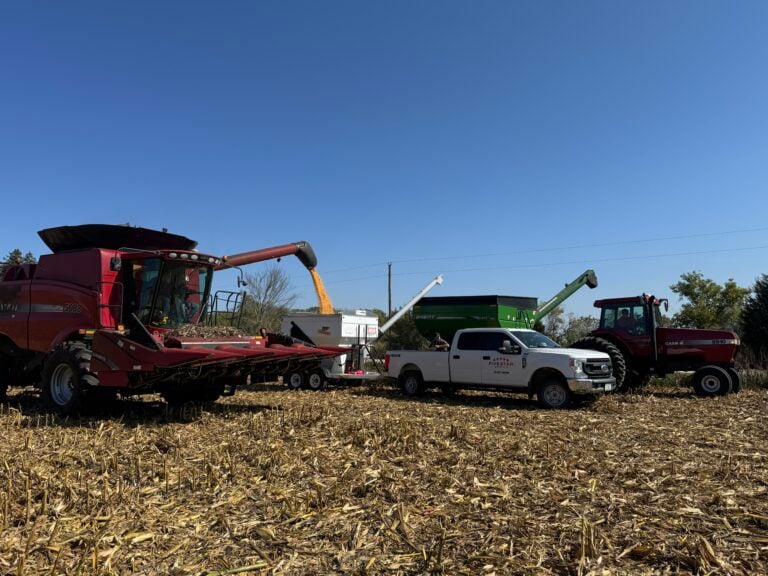
The New Hampton corn plot was planted April 21, following soybeans being planted the year before, and harvested October 21. A total of 54 corn entries were evaluated, with the plot averaging 250.1 bushels per acre. The results showed differences in yield across the hybrids tested. Dekalb DKC 107-69 led the plot at 277.3 bushels per acre, followed by Brevant B05D47 at 274.9 bushels per acre and Dekalb DKC 105-21 at 270.6 bushels per acre.
The New Hampton plot offers growers a local comparison of hybrid performance following soybeans. With a plot average of 250.1 bushels per acre and an average harvest moisture of 14.8%, the results provide additional information growers can consider when evaluating yield potential and harvest performance.
View New Hampton Corn Plot Results.

New Hampton, IA – SOYBEANS
The New Hampton bean plot was planted on April 21 following corn and harvested October 9. A total of 35 soybean entries were evaluated, with the plot averaging 76.0 bushels per acre. The results showed differences in yield across the varieties tested. Brevant B264EE led the plot at 85.2 bushels per acre, followed by NK NK23-P1E3 at 81.5 bushels per acre and Brevant B224EE at 81.1 bushels per acre.
Comparing soybean varieties under the same local conditions can help growers better understand their options for the next growing season. Yield is an important part of variety selection, but maturity, field conditions, crop rotation and management should also be considered when choosing varieties for your acres.
View New Hampton Soybean Plot Results
Thompson, IA – CORN
At our Thompson location, Five Star was pleased with the overall performance of the Brevant hybrids. Dekalb 103-63, a 103-day hybrid, also finished in second place. Maturity is an important part of hybrid selection, especially in Northern Iowa. Growers need to consider how a hybrid fits their planting schedule, growing season and harvest plans. Evaluating hybrids across different maturities can help growers determine which options best align with their operation’s needs.
The Thompson plot highlights the importance of evaluating hybrids based on local performance in addition to maturity ratings. Reviewing results with your agronomist can help identify seed options worth considering for your acres.
Lawler, IA – CORN
The Lawler corn-after-corn plot was planted May 7 and harvested October 19. A total of 32 corn hybrids were evaluated, with the plot averaging 271.9 bushels per acre and 17.8% harvest moisture.
The results provide a local look at hybrid performance in a corn-after-corn rotation. For growers considering corn following corn, evaluating plot data from a similar rotation can offer useful insight when narrowing down seed options. Crop rotation is one factor to consider when selecting hybrids, along with maturity, field conditions, trait packages and management practices.
View Lawler Corn-after-Corn Plot Results
Lawler, IA – CORN
The Lawler corn-after-soybeans plot was planted May 7 and harvested October 19. A total of 18 corn hybrids were evaluated, with the plot averaging 270.7 bushels per acre and 18.1% harvest moisture.
The results offer another local comparison of hybrid performance under Northern Iowa growing conditions. Reviewing yield and harvest moisture together can help growers better understand how different hybrids performed and what factors to consider when selecting seed for the following season. For growers planning a corn-after-soybean rotation, this plot provides additional information to discuss with their Five Star agronomist when evaluating hybrid options.
View Lawler Corn-after-Soybeans Plot Results
Putting Plot Data to Work on Your Ares
Plot data is most valuable when it helps growers make informed decisions for their own operation. Comparing results across locations can provide insight into how hybrids performed under different growing conditions, while evaluating harvest moisture alongside yield can offer a more complete picture of performance. When reviewing plot results, consider how the hybrids align with your planting schedule, maturity needs, crop rotation, field conditions and harvest plans. Results from a single location and growing season are only one piece of the puzzle. Reviewing data from multiple locations and seasons can help provide a broader understanding of hybrid performance.
Ready to start planning for 2027? Connect with your local Five Star agronomist to discuss plot results and seed options for your acres.