
Each year, during the third full week of February, the agricultural industry recognizes National Grain Bin Safety Week. This week is dedicated to preventing accidents and saving lives around grain storage and handling operations. Led in partnership with Nationwide and the National Education Center for Agricultural Safety, this week matters to the agricultural world.
If you’ve worked around grain, you know one thing. It demands respect.
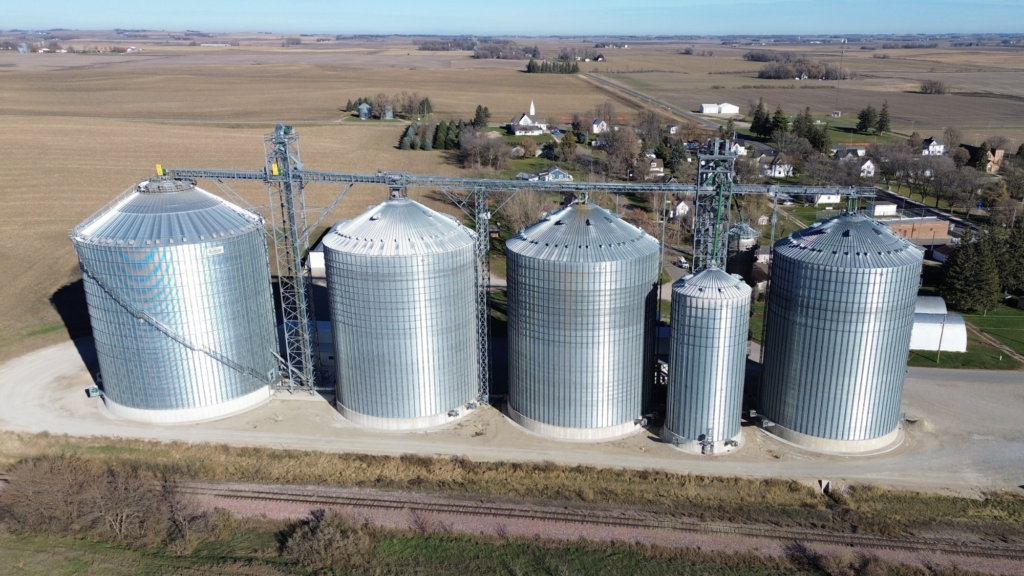
Grain looks harmless sitting still. But, once it starts moving, it doesn’t take long for a routine task to turn dangerous. Bridged grain, crusted grain or a bin that’s gone out of condition can create situations that aren’t always visible from the outside. And when grain starts moving, it moves fast.
Prevention Starts at the Beginning
In farming and grain operations, habits go a long way.
Grain bin safety comes down to simple but critical steps:
- Avoid entering bins whenever possible – If your grain can be moved from the outside, do it. Use tools to break up crusted grain from outside the bin. Entry should always be the last option. Not the first.
- Shut off, lock out and tag out all equipment – Before anyone goes inside the bin, make sure unloading augers and conveyors are completely shut down and locked out. Flowing grain is what turns a situation dangerous within seconds.
- Never enter a bin alone – Always have at least one trained person outside the bin for monitoring and maintaining visual and verbal contact. This person only job should be to monitor and respond. Not to multitask.
- Use a full-body harness with a lifeline – Make sure to anchor your lifeline properly before entering. This can result in the difference between quick recovery and a full rescue operation.
- Test the air before entry – Grain bins can be possessing dangerous gases or low oxygen levels, especially if the grain is out of condition. Air quality testing should happen every single time.
- Treat bridge or crusted grain as unstable ground – Never walk directly on crusted grain. What looks solid may have hollow space underneath. Break it up from the outside whenever possible.
- Keep bystanders and children away – Grain bin sites are not playgrounds. Clear communication and boundaries protect everyone on the farm or at the facility.
When Prevention Isn’t Enough
Even with the best practices in place, emergencies can still happen. Thankfully, Five Star Cooperative locations have our local fire departments who are first on scene if anything were to happen.
Our local departments cover miles of rural Iowa ground. Many of these departments are staffed by farmers, neighbors and community members who step away from their own operations to respond to a call. However, grain entrapment rescues require specialized tools, particularly grain rescue tubes, and hands-on training that many rural departments don’t always have access to.
Thanks to our partners at Nationwide, local fire departments can be nominated for:
- A life-saving grain rescue tube
- Six hours of hands-on grain bin rescue training
Nomination ends on April 30, 2026.
Since this program began, hundreds of departments across the country have been equipped with this training and equipment. Ultimately, strengthening rural emergency response where it’s needed most.
A Shared Responsibility in Rural Communities
As cooperatives, we understand that agriculture runs on relationships.
We work alongside producers every day. We depend on strong partnerships, along with when something goes wrong; we depend on our local first responders just as much.
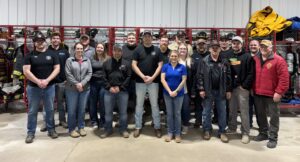
National Grain Bin Safety Week is a reminder that safety in agriculture isn’t owned by one operation or one organization. But rather, it’s shared between farmers, cooperatives, team members, and the fire departments who protect our communities.
Looking out for each other has always been part of rural life.
This week is simply a chance to reinforce that commitment, while making sure our local fire departments have the tools they need to respond if they are ever called.
Because, at Five Star, safety isn’t seasonal.
And neither are community partnerships.